Mac and Cheese (Multicooker)
It’s officially cozy season. I’ve had this comforting side on my list to test for a long time. This recipe is dedicated to the multitaskers, the dorm-room-dwelling college students, the tailgaters, those with too much on your plate and no room on the stovetop/oven, and for those who want mac and cheese but don’t even feel like draining the pasta (which happens to include me today).
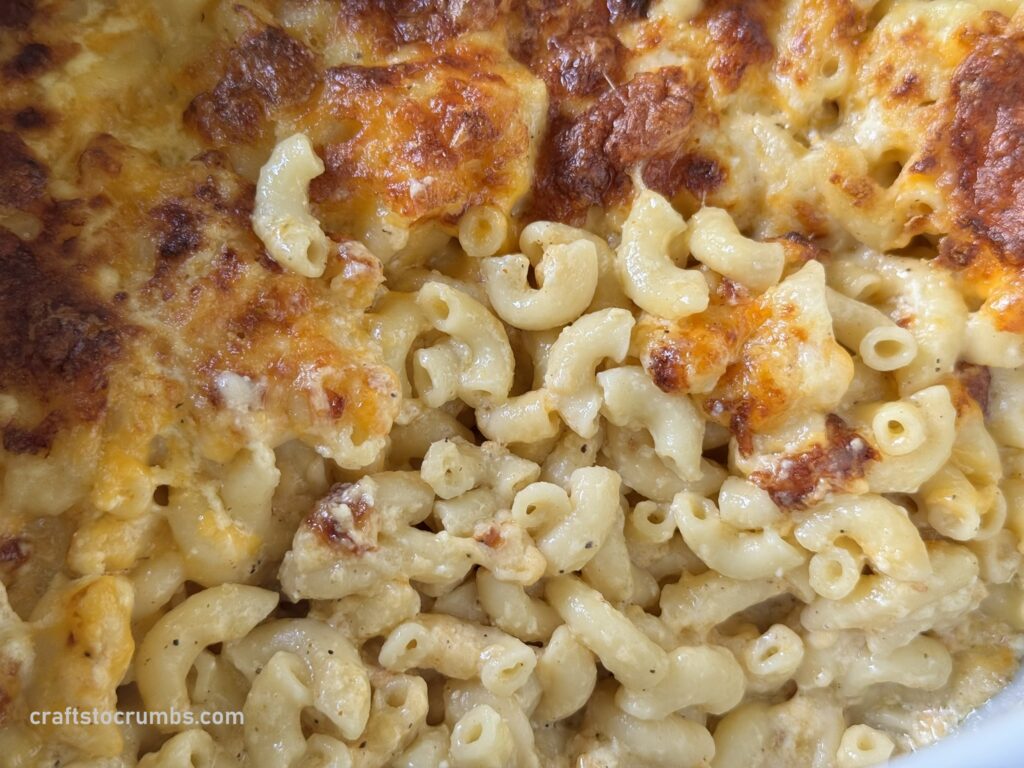
This is my multicooker mac and cheese made using my Ninja Foodi TenderCrisp Pressure Cooker or the multicooker, as I call it. Making a baked mac and cheese has never been easier. You can prep while it pressurizes and you can get this done in no time. The fact that it doesn’t use an oven or a stovetop also makes it a great option for the busy holiday season.
Notes:
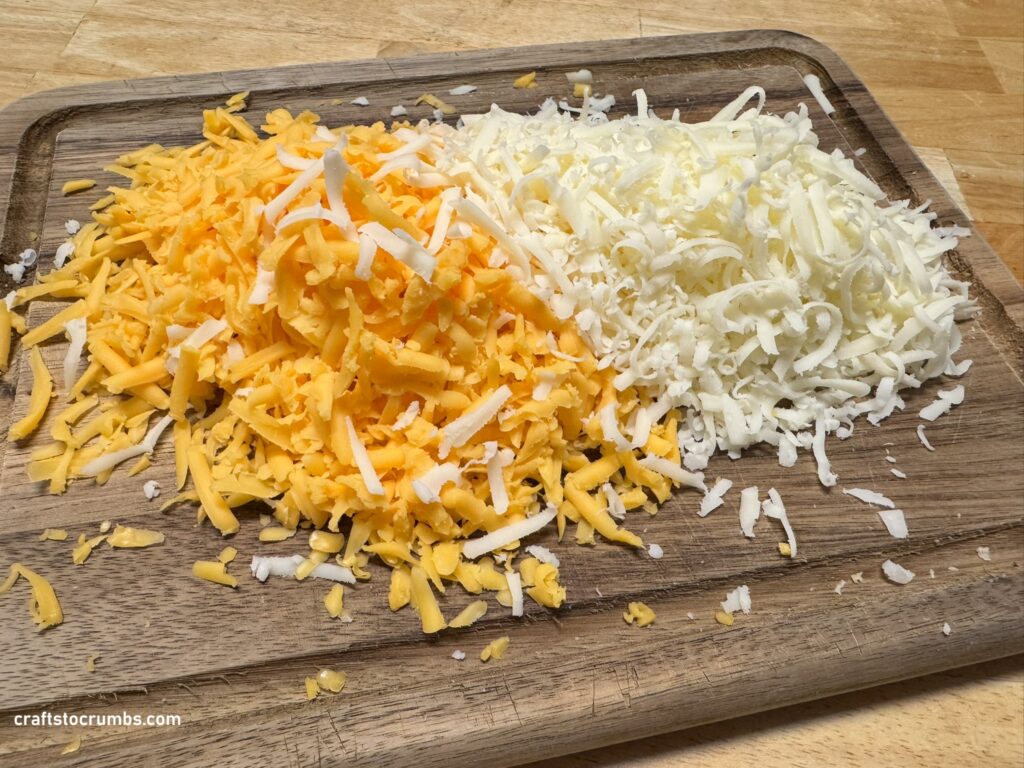
Cheese – for mac and cheese, I usually like a sharp cheddar and a gouda or gruyere. For the video, I used mozzarella because we always make pizza and that’s a cheese that we always have at home. Use your favorite cheese combination for mac and cheese. Yes, pre-shredded cheese will work. Save even more prep time.
Cayenne – a little bit of cayenne is added for that warm bite in this mac and cheese. Adjust this to your taste. Or substitute with ground mustard powder for a slightly different bite.
Pasta – I used the traditional elbow pasta for this recipe. I tested this recipe once with penne and found that it needed more cooking time. If using a different pasta, make sure to add at least a minute or two to the pressure time instead of the 0 minutes.
Milk and Cream – I use whole milk but low fat or 2% milk will also work. Heavy whipping cream is used because that’s what I always have on hand for baking projects. Half & half can be used as a substitute the milk and cream mixture.
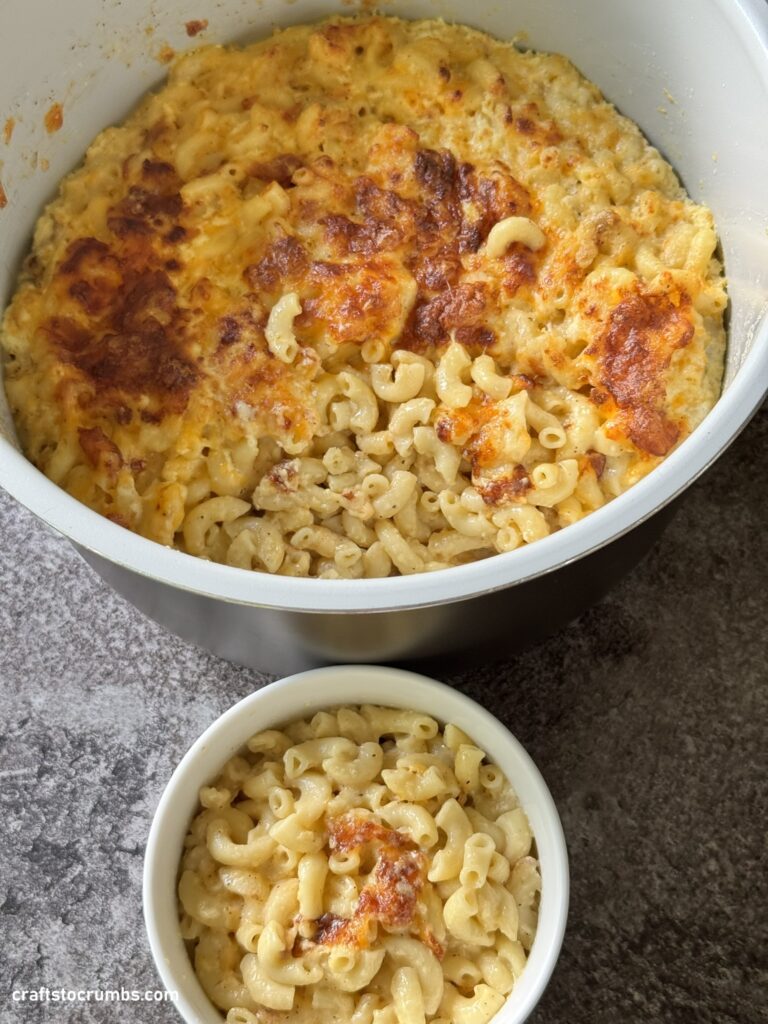
Multicooker Mac & Cheese
Time: 45 minutes (8 minutes prep/ 7 minutes pressure build/ 10 minutes pressure cook/ 15-20 minutes bake)
Serves: 12 servings
1 box (16 oz.) dry elbow pasta
1 cup (237 ml) heavy cream
1 cup (237 ml) whole milk
1 large egg
4 tablespoons (56g) unsalted butter, cut into cubes
8 oz. sharp cheddar, grated
8 oz. gruyere or gouda or mozzarella or cheese of choice, grated
2 ½ teaspoon salt, divided
1 ½ teaspoon onion powder
1 ½ teaspoon garlic powder
½ teaspoon cayenne pepper powder (adjust to taste) or mustard powder
1 ½ teaspoon ground black pepper
5 cups (1183 ml) water
- Place pasta, water, and 1 teaspoon of salt into the pot. Stir to combine.
- Assemble pressure lid, making the pressure release valve is in the SEAL position. Select PRESSURE and set to low (LO). Set the time to 0 minutes. The pasta cooks in the amount of time it takes to pressurize. Select START/STOP to begin.
- When pressure cooking is complete, let pressure release naturally for 10 minutes. After 10 minutes, quick release the remaining pressure by moving the release valve to VENT. Wait until all pressure has been released before carefully removing the pressure lid.
- Add the remaining 1 ½ tsp salt, onion powder, garlic powder, cayenne pepper powder, and black pepper. Stir into cooked pasta. Also, stir in 2/3 of the grated cheeses. Dot the top of the pasta with cubes of the butter. Sprinkle the remaining 1/3 of the grated cheeses on top.
- In a measuring cup or bowl, combine the heavy cream, milk, and egg. Beat the egg until mixture is homogenous. Pour the cream mixture over the prepared pasta and cheese.
- Close the crisping lid. Select BAKE/ROAST. Set the temperature to 350℉. Set time for 20 minutes. Check it at 15 minutes. If butter pools on top, take a wooden spoon and gently poke a few holes in the cheesy top layer. This will help the butter seep into the pasta. It should be nice and golden brown on top.
- Let sit for a few minutes before serving.
- Enjoy!
Discover more from Crafts to Crumbs
Subscribe to get the latest posts sent to your email.